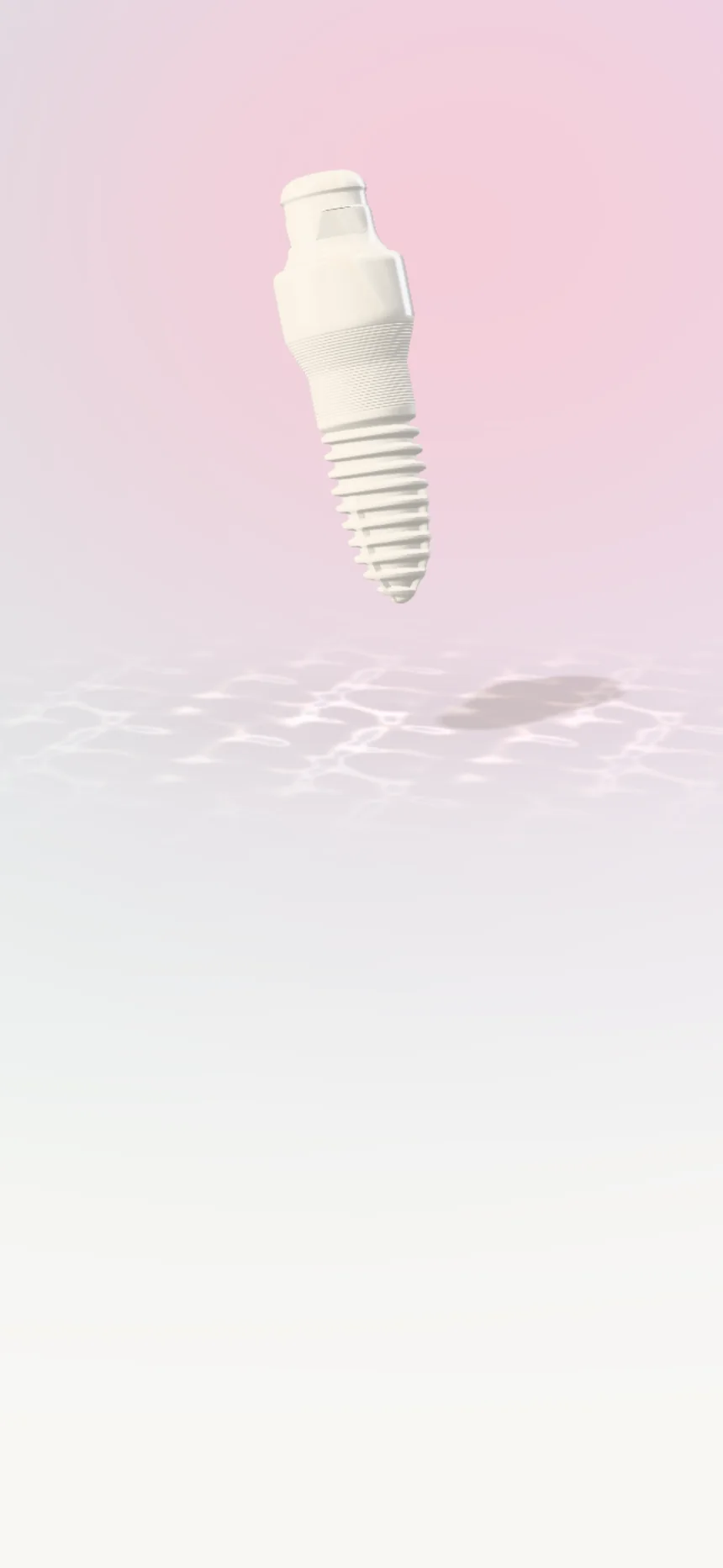

A white SDS zirconia implant turns in sunlight that ripples like water. As you scroll, a glass training model forms beneath it, the implant is screwed in to tissue level, and a crown is designed, milled and seated on it.

Hands-on masterclass 16 CE credits

Zirconia & Ceramic Implant Masterclass

A two-day, hands-on course for dentists with Dr. Yuriy May: model-based surgical placement, temporization and restoration with CAD/CAM, CEREC and the SDS zirconia implant system.

  • WhenNovember 6–7, 2026
  • WhereFarmington, Connecticut
  • Tuition$3,650

Day 01 Friday, November 6

Understand.
Plan. Place.

From zirconia’s science and biology to CBCT-led 3D planning. Then hands on: every participant prepares an osteotomy and places one monotype and one two-piece SDS implant in a training model.

Day 01 program

Day 02 Saturday, November 7

Design.
Temporize. Restore.

Prepare the shoulder and abutment, capture the site and design a provisional in CEREC that mills over lunch. Then fit and cement it, and check it against the intended restoration.

Day 02 program

01 The course

A clear roadmap of zirconia implant treatment.

Expert-led zirconia implant training that brings surgical decisions and restorative thinking together. This two-day masterclass is designed to achieve immediate ceramic implant readiness by teaching restoratively led surgery through focused placement guidelines, real case-based exploration and hands-on practice.

16

CE credits

Earn 16 CE credits across the two days.

ADA CERP, Continuing Education Recognition Program

A–Z

Planning to restoration

Comprehensive didactic knowledge to build understanding of zirconia as an implant concept, with hands-on practice from surgical planning and placement, anterior placement and immediate temporization through final restorative principles.

What you’ll explore

Comprehensive, expert-led training, designed for immediate confidence.

A two-day arc that moves from foundational ceramic implant concepts into robust surgical and restorative guidelines, with hands-on zirconia implant practice.

  1. 01

    Evidence and material science

    Understand the existing research, impressive historical track record, superior biocompatibility attributes and extensive material science behind zirconia implants.

  2. 02

    Diagnostic judgment

    Develop the diagnostic judgment to select, adapt and execute the optimal zirconia implant model selection, restorative temporization and final restoration planning.

  3. 03

    Biology and soft tissue

    Gain a deep understanding of the biology and immunology of zirconium oxide and its role in osseointegration and long-term peri-implant tissue stability. Learn how the supracrestal tissue complex, tissue-level zirconia implant placement and final prosthetic design influence peri-implant health.

  4. 04

    Spacing, grafting and loading

    Learn best practices and guidelines for zirconia implant spacing at the collar and apex, grafting techniques with PRF for bone stability and soft-tissue support, immediate versus delayed considerations and immediate loading techniques.

  5. 05

    Anterior one-piece concepts

    Begin learning precise anterior one-piece zirconia implant concepts for highly esthetic, immediately provisionalized and meticulously planned and executed front-tooth zirconia implant cases.

  6. 06

    Hands-on placement

    Train hands-on with the surgical kit, placing a number of one-piece and two-piece SDS zirconia implants, then practice abutment placement and shoulder preparation for immediate temporization and final restoration.

  7. 07

    Chairside provisionals

    Design and deliver immediate chairside provisionals with CAD/CAM and CEREC for immediate temporization and loading of anterior one-piece implants.

  8. 08

    Complications and risk

    Learn the contraindications, pitfalls and high-risk scenarios to avoid, to reduce and eliminate future zirconia implant complications. Walk through 20+ real-life cases to understand the do’s and don’ts learned from 1,200+ zirconia implants.

The SDS zirconia implant system

One-piece and two-piece. Both in your hands.

You will place one monotype and one two-piece SDS implant in a training model, then prepare the one-piece shoulder and abutment, and select and seat the two-piece abutment. Working with both designs shows where their surgical and restorative requirements differ.

One-piece (monotype)

Implant and abutment in one zirconia body. You prepare the shoulder and abutment, then temporize.

Two-piece

A separate abutment, selected and seated on the implant. Review connection geometry, margin design and shoulder support.

SDS Swiss Dental Solutions

Taught on the SDS Swiss Dental Solutions zirconia implant system: monotype and two-piece designs, dimensions, shoulder forms and restorative components.

02 Faculty

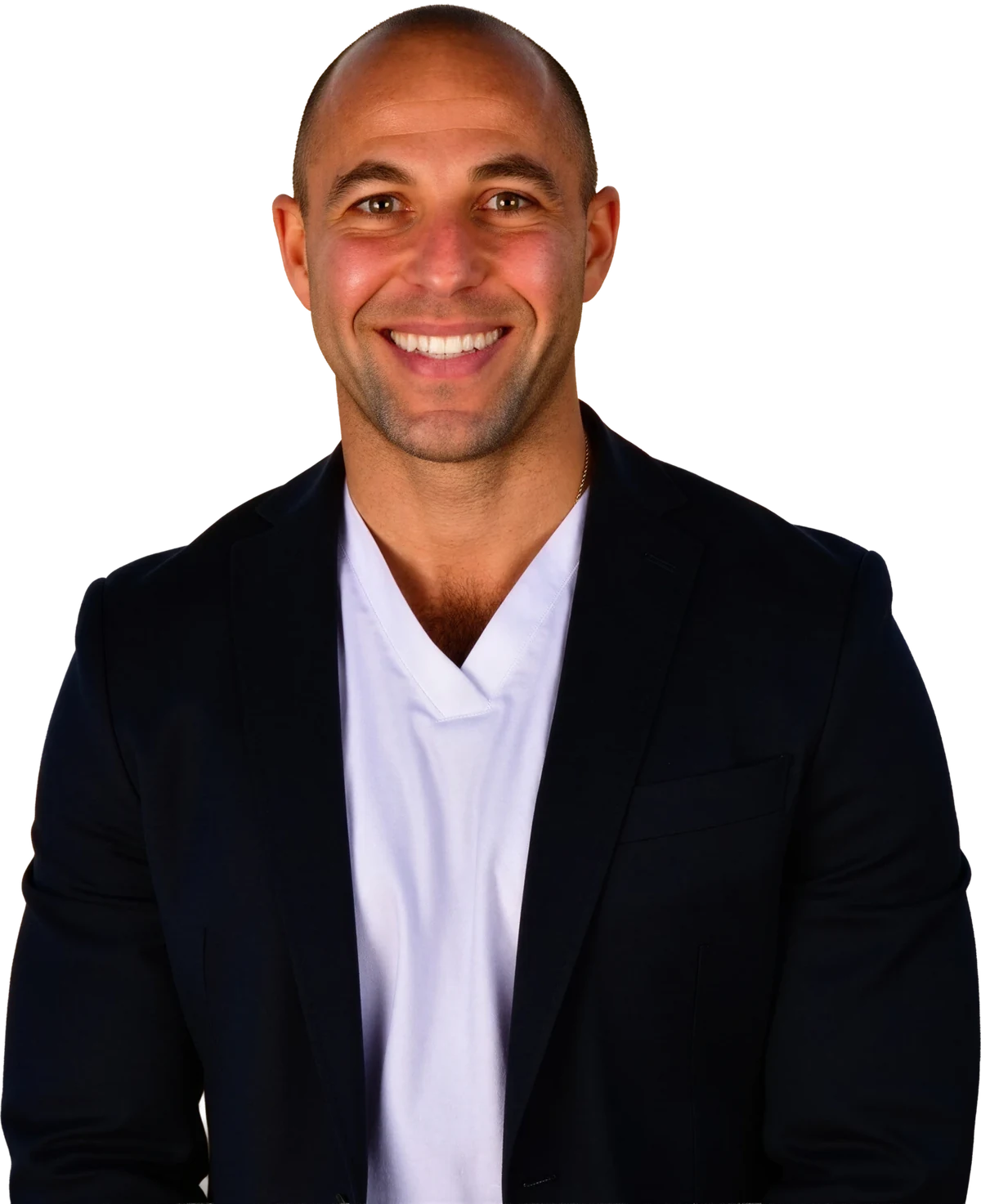
Learn with Dr. Yuriy May, DMD, FAAID

Advanced surgical skill. Extensive zirconia implant experience. A precise approach to the most demanding esthetic and reconstructive cases in zirconia implant dentistry.

1,200+
Ceramic implants placed and restored
200+
Front-tooth ceramic implants placed and restored
4
Ceramic implant accreditations and designations
5
Biological and holistic dentistry certifications
Dr. Yuriy May, DMD, FAAID, course faculty for the Zirconia Implant Foundations Masterclass
Yuriy May, DMD, FAAID
  • JCCI Switzerland
  • AAID Nashville
  • AO Washington, DC
  • IAOMT Orlando
  • IABDM
  • AAOSH
  • ACIMD Instructor

Dr. Yuriy May brings more than 14 years of clinical experience to zirconia implant surgery and restoration, with over 1,200 ceramic implants placed and restored, including more than 200 front-tooth implants. His practice focuses on technically demanding surgery, complex reconstruction and the exacting esthetic zone, where implant position, bone support and soft-tissue architecture must work together.

A Fellow of the American Academy of Implant Dentistry (AAID), SDS Ceramic Implant Ambassador and IAOCI Board Member, Dr. May combines extensive clinical experience with advanced ceramic implant training through SDS, SwissBioHealth and ISMI. His surgical education includes GBS 2.0 advanced surgery and Tufts + Ghanaati Level 2 training in wound healing and grafting, supporting a meticulous approach to bone building, tissue management and restorative planning.

An international lecturer and educator in ceramic implant surgery, Dr. May has presented to clinicians at JCCI in Switzerland, AAID in Nashville, AO in Washington, DC, IAOMT in Orlando, and IABDM and AAOSH across the US. He has served as the zirconia implant course instructor in the ACIMD two-year naturopathic medicine program for three years. This masterclass brings his ceramic implant surgical judgment, prosthetic knowledge and zirconia implant mastery into hands-on teaching, from precise osteotomy preparation and implant placement to immediate chairside CAD/CAM temporization and definitive restoration.

About Dr. May at Natural Dentistry

04 Ceramic implant accreditations and designations

  • Fellow, American Academy of Implant DentistryAAID · FAAID
  • SDS Ceramic Implant AmbassadorEducator
  • Certified Ceramic Implant & Biological Advanced PractitionerIAOCI / ISMI / SwissBioHealth
  • IAOCI Board MemberInternational Academy of Oral Ceramic Implantology

05 Biological and holistic dentistry certifications

  • ANMCB Board Certified Naturopathic Dentist
  • Certified Biological DentistIABDM
  • Accredited & S.M.A.R.T. CertifiedIAOMT
  • GBS 2.0 Advanced Surgery CertifiedGlobal Biological Standard
  • Wound Healing & Grafting Level 2 CertifiedTufts + Ghanaati

Selected clinical cases Faculty experience

Let the cases speak first.

Dr. May proves that virtually any tooth can be replaced with a zirconia implant: abutments at placement, then the restored smile, from single anterior teeth to multiple sites, canines, premolars, molars and full arches.

Extensive case portfolio, placement to restoration.

A selection of before and after zirconia implant cases: abutments at placement, then the restored smile. Cases range from single anterior teeth to multiple sites, canines, premolars and molars.

Case 01Placement to restoration
Case 02Placement to restoration
Case 03Placement to restoration
Case 04Placement to restoration
Case 05Placement to restoration
Case 06Placement to restoration
Case 07Placement to restoration
Case 08Placement to restoration

Selected clinical cases by Dr. May. Individual results vary.

03 The program

Two days. One complete, connected concept.

A detailed look at the course sequence, from foundational science through hands-on surgical and restorative practice, including CBCT, CAD/CAM, surgical guides, provisional design and CEREC.

Understand / Plan / Place

Build the surgical foundation.

Hands-on placement practice takes place in training models.

  1. Why ceramic implants

    Trace zirconia implant history, materials and research; compare zirconia and titanium mechanisms; discuss patient demand, tissue response, bone stability and today’s ceramic FDA portfolio.

  2. SDS portfolio and implant selection

    Review SDS monotype and two-piece designs, dimensions, shoulder forms and restorative components. Consider restorative axis, available space, primary stability and healing protection, then discuss tooth-specific indications, oval implants and design limitations.

  3. Break

  4. Patient selection and preparation

    Review lifestyle factors, pre-surgical photographs, CBCT and intraoral scans, restorative goals and provisional planning. Discuss early cases, including tooth number, spacing, implant size and immediate temporization concerns.

  5. Lunch

  6. Clinical parameters and 3D planning

    Assess ridge height and contour, facial-plate integrity, available bone, root and implant spacing, restorative axis, tissue thickness and papilla support. Discuss immediate versus delayed placement, atraumatic extraction, augmentation, PRF, sticky bone and grafting considerations, including sinus lifts, ridge splits, block grafts, GBR and soft-tissue grafting.

  7. Break

  8. Hands-on SDS drilling protocol and surgical workflow Hands-on

    Practice implant-specific drill sequences, depth and angulation control, irrigation, thermal protection, countersinking and cortical preparation. Each participant prepares an osteotomy and places one monotype and one two-piece SDS implant in a training model, then reviews stability, position, restorative access and healing or restorative components.

  9. Course dinner and informal case discussion

Precision-driven ceramic implantology

A course built around the connection

Surgery and restoration, harmoniously integrated.

The zirconia implant training curriculum pairs restorative-led 3D planning with implant placement practice, then follows the case into esthetic-zone planning, immediate temporization and digital restorative workflows.

See course logistics

04 Course details

Make way for two days of ceramic implant mastery.

When

November 6–7, 2026

Two-day masterclass · 8:30 am to 5:30 pm

Where

Farmington, Connecticut

Natural Dentistry, 10 Birdseye Rd, Farmington, CT 06032

Get directions

Tuition

$3,650

Included: breakfast, lunch and dinner (Friday only).

Continuing education

16 CE credits

ADA CERP, Continuing Education Recognition Program

Who it is for

Dentists seeking a comprehensive understanding and hands-on training of zirconia implants: surgery and restoration in one.

Program topics include SDS implant selection and hands-on practice with one-piece and two-piece zirconia implants.

Two days in Farmington, Connecticut. November 6–7, 2026.

Register now Ask a course question

What makes a strong ceramic implant course?

The best zirconia implant course for your practice should connect material science, patient selection, surgical technique and restorative decision making. The Ceramic Implant Institute’s Zirconia Implant Foundations Masterclass brings those priorities together in Connecticut on November 6–7, 2026. Rather than presenting placement as an isolated procedure, this focused two-day zirconia implant training experience follows the clinical decisions that shape a case from initial assessment through temporization and restoration.

Learn with Dr. Yuriy May

Dr. Yuriy May, DMD, FAAID, is a Fellow of the American Academy of Implant Dentistry and an SDS Ceramic Implant Ambassador. His clinical focus on zirconia implants informs teaching that connects surgical planning with restorative goals. For dentists comparing a ceramic implant program, that connection matters: choosing an implant design also means considering tissue management, restorative access, provisional protection and the intended final result. Faculty credentials provide useful context, but participants should evaluate any course against their experience and learning needs.

Hands-on zirconia implant training

This zirconia implant class includes model-based practice with both one-piece and two-piece SDS implants. Participants prepare osteotomies, practice implant-specific drilling sequences, and review depth, angulation, irrigation, stability and component selection. Working with both designs helps clarify where their surgical and restorative requirements differ. These exercises are training-model activities, not live-patient surgery, allowing focused practice and discussion without implying that attendance alone establishes clinical proficiency.

Continue readingShow less

Restoration belongs in the same conversation

The second day develops the restorative side of ceramic implant training. Topics include the esthetic zone, emergence profile, soft-tissue maturation, margin access, provisional fabrication, cementation and occlusion. Participants examine the distinction between immediate provisionalization and functional loading, then consider how provisional design can support the intended restoration. Connecting these steps helps dentists ask better questions before surgery, rather than discovering restorative constraints after placement.

A destination zirconia implant training facility for dentists nationwide

Dentists across the United States are invited to travel to Connecticut for this zirconia implant masterclass. This is the first of future planned, progressive zirconia implant training courses. These sequential courses will build on knowledge and skills and expand into specialized areas of interest for participants looking to enhance and develop their zirconia implant skills. The training facility is conveniently located halfway between New York and Boston, within a four-hour drive for local specialists and dentists from New York, New Jersey, Connecticut, Massachusetts, Rhode Island and Vermont. All teaching takes place at Natural Dentistry, 10 Birdseye Road, Farmington, Connecticut, one of the country’s leading zirconia implant surgery centers. Bradley International Airport (BDL) serves attendees flying in from across the country and is just 25 minutes from the surgery center, which is equipped with 3D printing, CAD/CAM, CEREC and other equipment. The travel guide covers nearby hotels, ground transportation and West Hartford dining to help dentists plan their two-day course visit.

Choose optimal zirconia implant training that sets you up for immediate and long-term success

When comparing ceramic implant courses, look for a clear agenda, relevant faculty experience, meaningful hands-on time and transparent logistics. Importantly, do not overlook the faculty’s personal case portfolio: before-and-after photos demonstrate hard-earned experience, surgical mastery and restorative finesse, providing evidence of the expertise behind polished slides and lengthy agendas. This masterclass combines those practical priorities in a structured surgical and restorative format. Review the full program, consider your current implant experience, and contact the team about suitability before registering. No course can guarantee patient outcomes; sound case selection and continued learning remain essential. For dentists seeking an integrated introduction to SDS workflows, the curriculum offers concrete reasons to include this course on a carefully considered training shortlist. Tuition is $3,650, with breakfast, lunch and Friday dinner listed among the inclusions. Optional follow-up support is separate from masterclass tuition.

Before choosing a program, consider how its exercises relate to the cases you hope to treat. A curriculum that explains both indications and limitations can be more useful than broad promises of mastery after a short period of training.

Critical aspects of choosing zirconia implant training

Not all zirconia implant training is created equal. The quality of your education will directly influence your clinical judgment, confidence, case selection and long-term outcomes.

First, choose a program with a clear educational pathway, not a single isolated course. A strong program should begin with foundational surgical and restorative training, then offer sequential opportunities to advance your skills in a familiar clinical framework. Look for a curriculum that progresses into areas such as:

  • advanced anterior zirconia implants
  • multi-implant bridges
  • full-arch zirconia implant treatment
  • staged full-mouth ceramic implant reconstruction.

The goal should be progression, not repetition. Each course should build on the last.

Second, learn from clinicians who actively treat patients, not only from professional lecturers. The most valuable educators are often those who remain deeply involved in daily clinical practice, continuously managing real cases, complications, evolving techniques and new implant designs.

Excellent education is not defined by polished slides or an entertaining presentation. It is defined by the ability to translate years of real-world clinical experience into practical judgment: what works, what fails, why complications occur and how to manage them.

Third, evaluate the independence and clinical breadth of the faculty. Ask whether the instructor has meaningful experience across multiple zirconia implant systems or only with one sponsored platform. A true expert should understand the strengths, limitations, indications and disadvantages of different systems and be able to discuss them objectively.

A clinician who knows only one system knows one tool. A clinician who understands zirconia implantology broadly can help you choose the right tool for the case.

Fourth, study the faculty’s before-and-afters and case portfolios. This is where the real clinical depth becomes visible. Before-and-afters and comprehensive case portfolios reveal what biographies, sponsorships, social media and polished lectures cannot. They show the actual quality, consistency, complexity and breadth of the clinician’s work.

Look closely at the cases: anterior esthetics, posterior implants, immediate placement, grafting, multi-unit restorations, full-arch treatment, complex reconstruction, complications and long-term follow-up. A strong case portfolio demonstrates not only what the clinician knows, but what they have repeatedly been able to execute in real patients.

This is often where the difference becomes clear. A great speaker may not have a deep case portfolio. A highly visible dentist may not have extensive before-and-afters. A heavily sponsored clinician may have limited experience outside a narrow system or indication. The before-and-afters and case portfolio are where talent, judgment, technical skill, experience and consistency are ultimately revealed.

When choosing who will teach you zirconia implantology, let the cases speak first.

Finally, choose faculty with whom you can build a professional relationship beyond the course itself. Zirconia implantology is a developing discipline, and questions inevitably arise as you begin treating more complex cases.

The best educators do more than deliver a lecture and move on. They remain accessible, support continued learning, encourage case discussion and help clinicians progress responsibly.

Choose your training the same way you would choose a mentor: based on experience, integrity, clinical depth and a genuine commitment to your development, not simply visibility, sponsorship or presentation skill.

Assess zirconia implant case portfolios: critical

The importance of carefully evaluating the zirconia implant faculty’s before-and-after photo portfolio cannot be overstated. This is one of the most important ways to assess true clinical experience and determine whether mastery has been achieved. Before choosing a zirconia implant educator, ask to see a substantial body of documented before-and-after cases, including both photographs and CBCT scan views, not just a few selected successes.

A meaningful before-and-after portfolio should show the breadth, consistency and quality of the clinician’s real work across different levels of difficulty: anterior esthetic cases, posterior implants, immediate placement, sinus lifts, GBR grafting, multi-implant bridges, full-arch zirconia implant All-on-X treatment, complex reconstruction, soft-tissue management, complications and long-term follow-up.

Examine photos with a discerning eye. Evaluate tissue health, papillae, gingival symmetry, implant position, restorative contours, emergence profile, esthetics, function and overall case execution. The more complete the before-and-after portfolio, the more clearly you can assess the ceramic implant clinician’s judgment, technical skill, restorative understanding, surgical experience and consistency.

This is where much of the marketing disappears and the clinical reality becomes visible. Strong speaking skills, social-media visibility, sponsorships and polished presentations may all be valuable, but none of them substitute for a deep, well-documented before-and-after case portfolio.

Before choosing who will teach you zirconia implantology, study their before-and-afters carefully. The portfolio should validate the expertise.
05 Travel accommodations

Where to stay near the course.

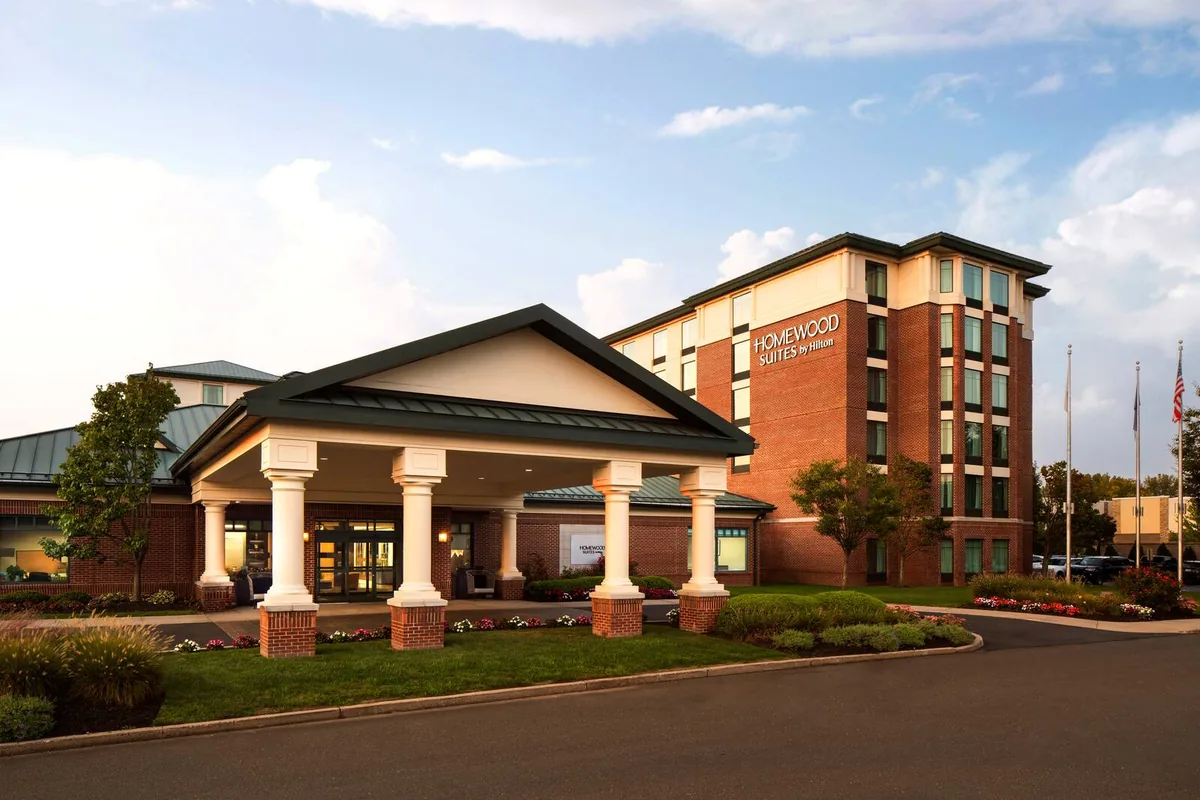
Traveling in for the masterclass? These two hotels, recommended in the Natural Dentistry travel guide, keep you close to the course at 10 Birdseye Rd.

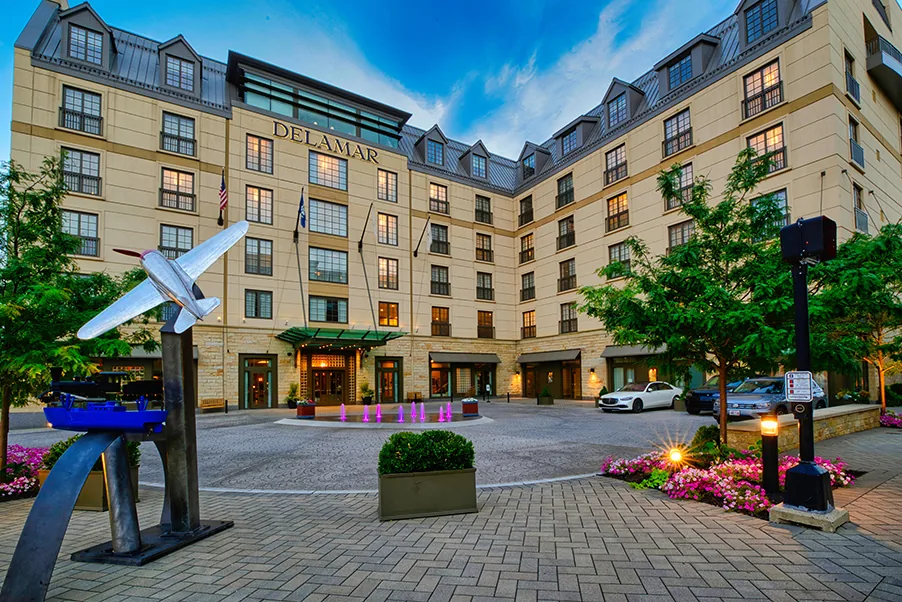
Exterior of the Delamar West Hartford hotel

01 Luxury stay

Delamar West Hartford

A luxury boutique hotel set among lively restaurants and shopping, across from Whole Foods and near SpOT Coffee. A refined base for the evenings between course days.

Approximately 15–20 minutes by car to the Natural Dentistry office, traffic dependent.

Address
1 Memorial Rd
West Hartford, CT 06107
Visit hotel website for Delamar West Hartford (opens in a new tab)

Getting here

Bradley International Airport (BDL).

Fly into Bradley International Airport in Windsor Locks, Connecticut, the closest airport to Natural Dentistry. Allow approximately 25 minutes by car to the course at 10 Birdseye Rd, Farmington, outside rush hour, and extra time during heavy traffic.

Airport information (opens in a new tab)

From the airport to your hotel

Uber & Lyft
Both operate at BDL. Follow the “Ride App Pick-up” signs outside door 2 on the Arrivals/Baggage Claim level and confirm the pickup location in your app.
Taxis
Available outside the Arrivals/Baggage Claim level between doors 2 and 3.
Rental cars
Located in the Ground Transportation Center, connected to Terminal A by a sheltered walkway. Follow the airport’s rental-car signs.

Around town

Dining in West Hartford Center.

Make time for West Hartford Center’s lively restaurant scene before or after the masterclass. These Natural Dentistry recommendations offer a range of cuisines for an evening out.

Plan ahead for weekend evenings: reserve where available or join bartaco’s waitlist. Check current menus and hours, and contact the restaurant directly about dietary needs.

Grocery shopping

Whole Foods Market

50 Raymond Rd, West Hartford, CT 06107

Stock up on fresh produce, snacks and groceries for your stay, or pick up a meal from the hot and salad bar. A convenient option near Delamar West Hartford, especially if you prefer to prepare meals in your hotel kitchenette.

Ongoing support & follow-up options

Continue the work with Dr. May.

Additional case-based and in-practice support described in the course information. These options are separate from the two-day masterclass.

  1. 01

    Zirconia implant case reviews

    Five case reviews, 20–30 minutes each.

    $1,000

  2. 02

    Patient instruction templates

    Patient compliance outlines and pre- and post-operative instruction templates.

    $2,500

  3. 03

    One-day clinical shadowing

    A full day of shadowing Dr. May, featuring a minimum of two surgical cases and two zirconia implant restorations.

    $2,500

  4. 04

    A day at your clinic

    Dr. May spends a day at your clinic.

    $20,000 + travel

Optional support pricing is listed separately and is not the tuition for the masterclass.

Contact us

Questions? Get in touch.

Have a question about the masterclass or optional follow-up? Reach out by phone or email.

Dr. Yuriy May November 2026

Start with the masterclass.

Register today for the full two-day, hands-on Zirconia Implant Foundations Masterclass.